
Understanding the psychological triggers that drive gambling behavior
The Role of Excitement in Gambling
The thrill of excitement is one of the most potent psychological triggers that draws individuals to gambling. This heightened emotional state often leads players to seek out experiences that provide adrenaline rushes. In fact, for fans of winter sports, activities like ice fishing can have a similar thrilling appeal as well. The unpredictability of outcomes in gambling—whether it’s the spin of a roulette wheel or the flip of a card—creates a stimulating environment. This excitement can be addictive, as individuals may chase the euphoric feelings associated with wins.
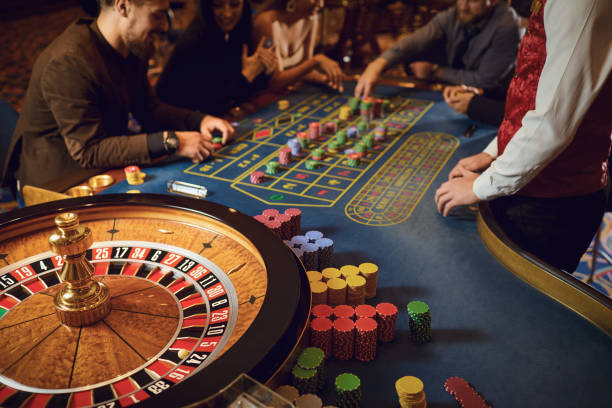
Moreover, the environment of casinos, with their bright lights, engaging sounds, and vibrant decor, amplifies this excitement. Gamblers often find themselves in a sensory overload that heightens their emotional response, encouraging prolonged engagement. This combination of psychological arousal and environmental stimulation makes gambling a captivating experience that is hard to resist.
The Influence of Cognitive Biases
Cognitive biases significantly influence gambling behavior, often leading players to make irrational decisions. One common bias is the “gambler’s fallacy,” where individuals mistakenly believe that past outcomes affect future results. For example, a player may think that a slot machine is “due” for a payout after a series of losses, prompting them to continue playing. This illusion of control can lead to excessive gambling and poor financial decisions.
Another bias is the “illusion of skill,” where players overestimate their ability to influence outcomes, particularly in games that require strategy. This belief can lead gamblers to invest more time and money, convinced that their skills will eventually lead to a win. Understanding these biases is crucial for recognizing patterns in gambling behavior and addressing potential addiction.
The Impact of Social Factors
Social influences play a significant role in gambling behavior, with peer pressure and community norms shaping individual decisions. When surrounded by friends or family who gamble, individuals are more likely to engage in the activity themselves, often viewing it as a social pastime. This social aspect can normalize gambling, making it more acceptable and enticing to partake.
Additionally, social media and advertising further reinforce these behaviors by showcasing glamorous lifestyles associated with gambling wins. Individuals may feel compelled to join in the excitement to fit in or achieve a similar lifestyle, which can lead to compulsive gambling. Addressing these social factors is essential for understanding and mitigating gambling-related issues.
The Psychological Need for Escape
For many, gambling serves as an escape from daily stresses and challenges. This psychological need for distraction can lead individuals to seek refuge in gambling as a way to cope with anxiety, depression, or boredom. In moments of distress, the temporary relief found in gambling can become appealing, providing a brief distraction from reality.
However, this coping mechanism can have detrimental consequences. What may start as a harmless escape can quickly develop into a dependency, leading to negative impacts on personal relationships, finances, and mental health. Recognizing this pattern is essential for addressing the root causes of gambling behavior and finding healthier coping strategies.

Exploring Gambling Through Our Platform
Our platform offers a unique opportunity to explore the psychological aspects of gambling in a safe and engaging environment. By providing a variety of games that cater to different preferences, we create a space for players to enjoy while being mindful of their emotional and psychological well-being. Each game is designed to ensure that players have a fun experience while encouraging responsible gambling practices.
Join us today to delve deeper into the intricacies of gambling behavior and discover ways to enjoy gaming responsibly. Our platform not only entertains but also educates players on the psychological triggers at play, fostering a healthier approach to gambling.