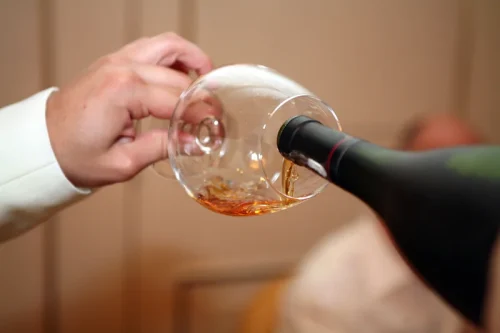
If you drink a lot at a party or rush when its last call at the bar, you might have a problem. High-functioning alcoholics don’t leave unfinished drinks at the table. Everyone who drinks alcohol is likely to become a high-functioning alcoholic; however, only 20 percent of them end up with this type of alcoholism.
Understanding the Drug Rehab Success Rate and What It Means for Recovery
- They may take steps to avoid the person while they are drinking, or they may experience feelings of guilt, shame, or self-blame.
- If you find yourself answering “yes” to at least two of the following questions, it may indicate an alcohol use disorder.
- If you are concerned about someone you care about who might be struggling with alcoholism, there are ways you can offer support.
- If you’re married or share assets, consult a lawyer to understand your rights and options.
Whether you turn to professional counseling, family therapy, support groups or inpatient treatment, taking proactive steps can lead to profound and positive changes in your life together. In the end, learning how to balance care for your spouse with care for yourself is crucial to navigating the challenges of living with an alcoholic partner. The participants in an intervention could include the alcoholic’s spouse or partner, children, parents, friends, coworkers, employer, friends and other individuals who have been affected.
- Nearly 20% of alcoholics are highly functional and well-educated with good incomes.
- Courts will often consider evidence of alcoholism when making custody decisions.
- Their personality at home or work may be markedly different from who they are when they start drinking.
- They may have tried to stop drinking and found it hard, or maybe they’ve stopped trying altogether.
How to Get Sober From Alcohol Without Rehab

Look inside at how you feel, get honest about who you are and where you are in this journey and what you want to do about it. But don’t have expectations of successful sobriety when you have one foot on one side of the line and one foot on the other side of the line. The one on the outside was amazing and funny and full of friends https://ecosoberhouse.com/ and going out- and the one on the inside was totally alone and isolated and full of fear and pain and self-loathing.

How to Gather and Organize Your Financial Documents
Many even maintain excellent health and only begin to experience consequences as they age. A functional alcoholic may keep drinking throughout the day but never to the point that it interferes with their ability to perform their duties. Their moderate drinking is only an attempt to ward off cravings and keep withdrawal symptoms at bay. Many high-functioning alcoholics rationalize their drinking by pointing to their lack of “typical” consequences.
Levels of Care
If there’s a robust support system in place, an outpatient rehab program that involves attending counselling, therapy and educational sessions while continuing to live at home may be appropriate. While high-functioning alcoholics may not face any issues in terms of employment or relationships, they are still using alcohol heavily, which makes them vulnerable to various health issues. Many of these people continue drinking heavily for years, increasing their risk of developing liver disease and certain types of cancers. Years of alcohol abuse can also make them deficient in an essential vitamin, leading to a condition called wet brain.
As they are skillful at creating the illusion of being high functioning alcoholic healthy and stable, they are usually not the only ones in denial. Their loved ones and friends often don’t see the warning signs or refuse to believe their loved one has a problem. They may even congratulate them on their ability to function while under the influence of alcohol.
- A high-functioning alcoholic may keep alcohol at work, in unusual areas at home, or in a flask to ensure they can always drink away withdrawal symptoms.
- Familiarize yourself with the specific requirements, timelines, and procedures involved in filing for divorce and determining custody arrangements.
- One of them did it twice- and I know someone else who fell into a campfire because they were drunk.
- A typical alcoholic is less able to keep their problem with alcohol separate and hidden.
By understanding how alcoholism has impacted your family’s finances, you can take steps to protect yourself and your future. Even if your loved one isn’t ready to seek help for their alcohol addiction right now, it doesn’t mean they won’t ever choose recovery. For some, reaching a personal low point is what motivates change—though that’s not true for everyone. The important thing to remember is that alcohol addiction treatment can be effective at any stage, regardless of how someone decides to seek help. Many people enter treatment as a result of external pressures, such as ultimatums, work issues, or legal challenges. Often, once they begin their journey in rehab, they find the internal motivation to continue.

However, a high-functioning alcoholic can do all of this and much more. If you believe your loved one is relying on alcohol for any need, it may be time to take a closer look at whether or not they fall into the category of a functioning alcoholic. For many people, the word “alcoholic” conjures up astereotypical image of someone whose life is in shambles and who startsdrinking soon after they wake up. They have probably lost their job or maybeeven spent time in jail because of the extent of their drinking habits.
A functional, or working alcoholic might drink throughout the day, and never get so drunk that they can’t perform their regular duties. Moderate drinking throughout the day is a sign that a person is trying to prevent withdrawal symptoms and reduce cravings. Another sign of a Oxford House functioning alcoholic is someone who may abstain from drinking throughout the week, but then binge drink on the weekends or binge drink at night after their work is done.